Our Future Is Being Decided Right Now
The people trying to automate our members out of jobs, the politicians threatening transit funding, the employers pushing surveillance technology on buses, trains, and in maintenance yards aren’t waiting. Neither are we.
What Pullman Taught Us
When the General Executive Board (GEB) met in Chicago in April, we made time to visit the Pullman National Historical Park. That’s where the 1894 Pullman Strike was fought. Where A. Philip Randolph built the Brotherhood of Sleeping Car Porters into one of the most powerful labor forces in American history. Transit workers faced violence and kept organizing anyway until they won a landmark labor agreement that was a victory for both civil rights and workers.
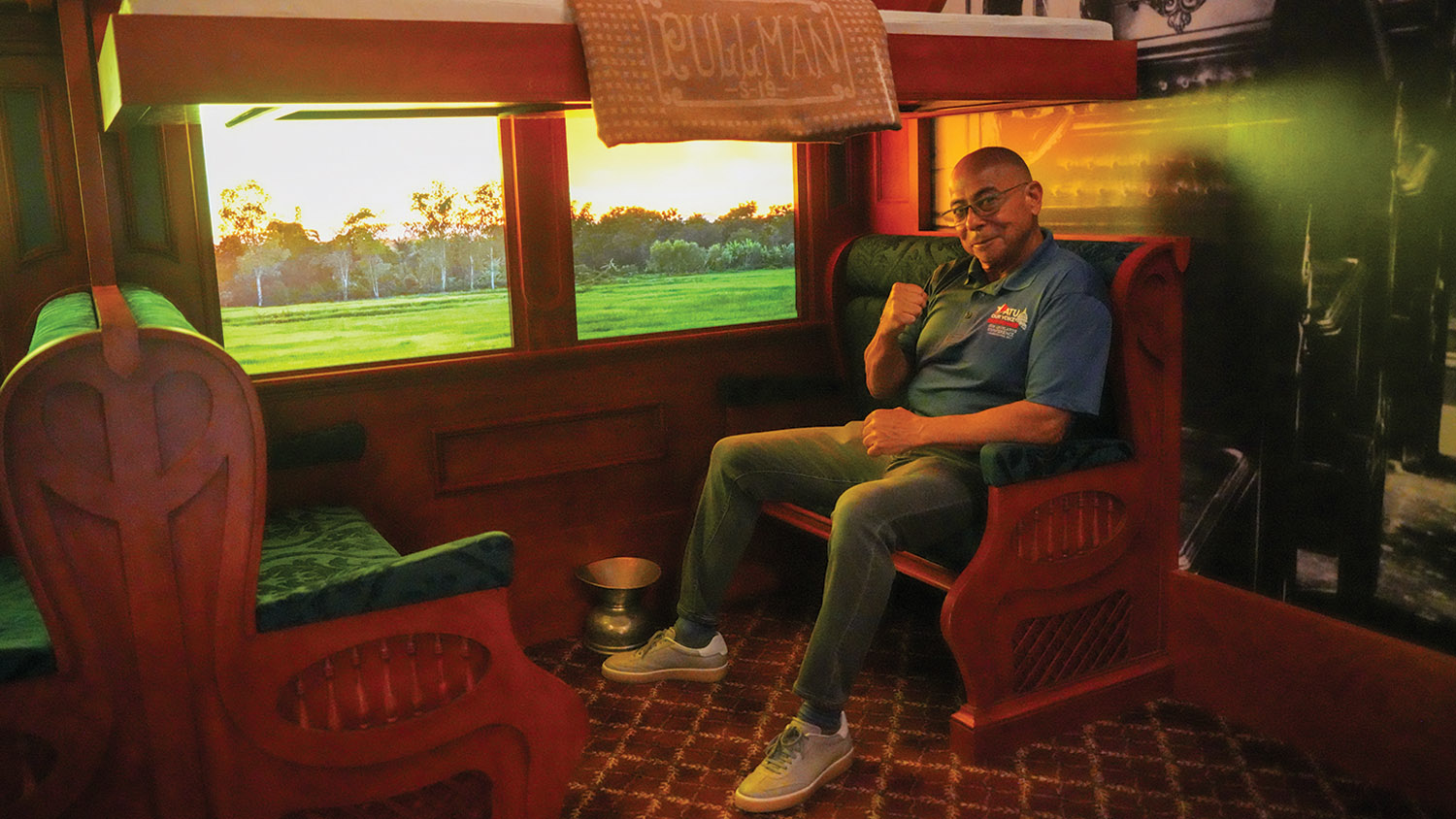
Standing on that ground, I thought about what those workers were up against. The forces telling them they were replaceable, to be grateful for what little they had, and that they had no chance of ever winning. But because transit workers organized, stood together, and refused to accept a future designed without them, they won.
We’re in the same fight today. Different names, different technology, same playbook.
Who Gets Left Behind
In my home state of New Jersey, more than 300 members came to the ATU Black Caucus 59th Annual Conference in Jersey City. The theme was “Digital Age: Empowering Workers Through Inclusion,” and that’s not just a slogan. It’s a warning.
There are people in positions of power who want Diversity, Equity, and Inclusion gutted, automation accelerated, and workers pushed out of the conversation entirely. They think if they erase the language, defund the programs, and roll back the wins, we’ll go quietly. They don’t know our members very well.
I told the Black Caucus directly that these decisions about AI and automation aren’t coming someday. They’re being made right now in boardrooms and city halls, sometimes without our members at the table. And who gets hurt first when those decisions go wrong? Black workers. Not by accident. It’s a pattern. We see it clearly, and we intend to fight it with everything we have.
Out in Riverside, Iowa, the Midwest Conference went deep on exactly this fight. Members from across the Midwest heard directly from our International staff from Strategic Research, Legal, and Collective Bargaining on what’s coming. Microtransit, automated vehicles, and workplace surveillance tools are being deployed on properties across North America right now. ATU-backed Safety Committees are putting workers in the room where these decisions get made, and that presence is already making a difference.
The wins in this region prove it. A historic $1.5 billion in Illinois transit funding saved jobs and locked in real safety protections on buses. Apprenticeship programs in Minnesota are bringing the next generation into transit, building the workforce from within. The Midwest isn’t waiting around to see what happens. They’re deciding it.
Allies Who Show Up
In Pittsburgh, at our first Northeast Conference, we saw what years of relationship-building look like when it counts.
Lt. Governor Austin Davis, whose own father is an ATU Local 85 member. Congresswoman Summer Lee. Congressman Chris Deluzio. State Representative Malcolm Kenyatta.
They weren’t there in spirit. They were there in person, standing shoulder to shoulder with transit workers who are fighting budget cuts, resisting automation, and demanding the right to do their jobs without fear.
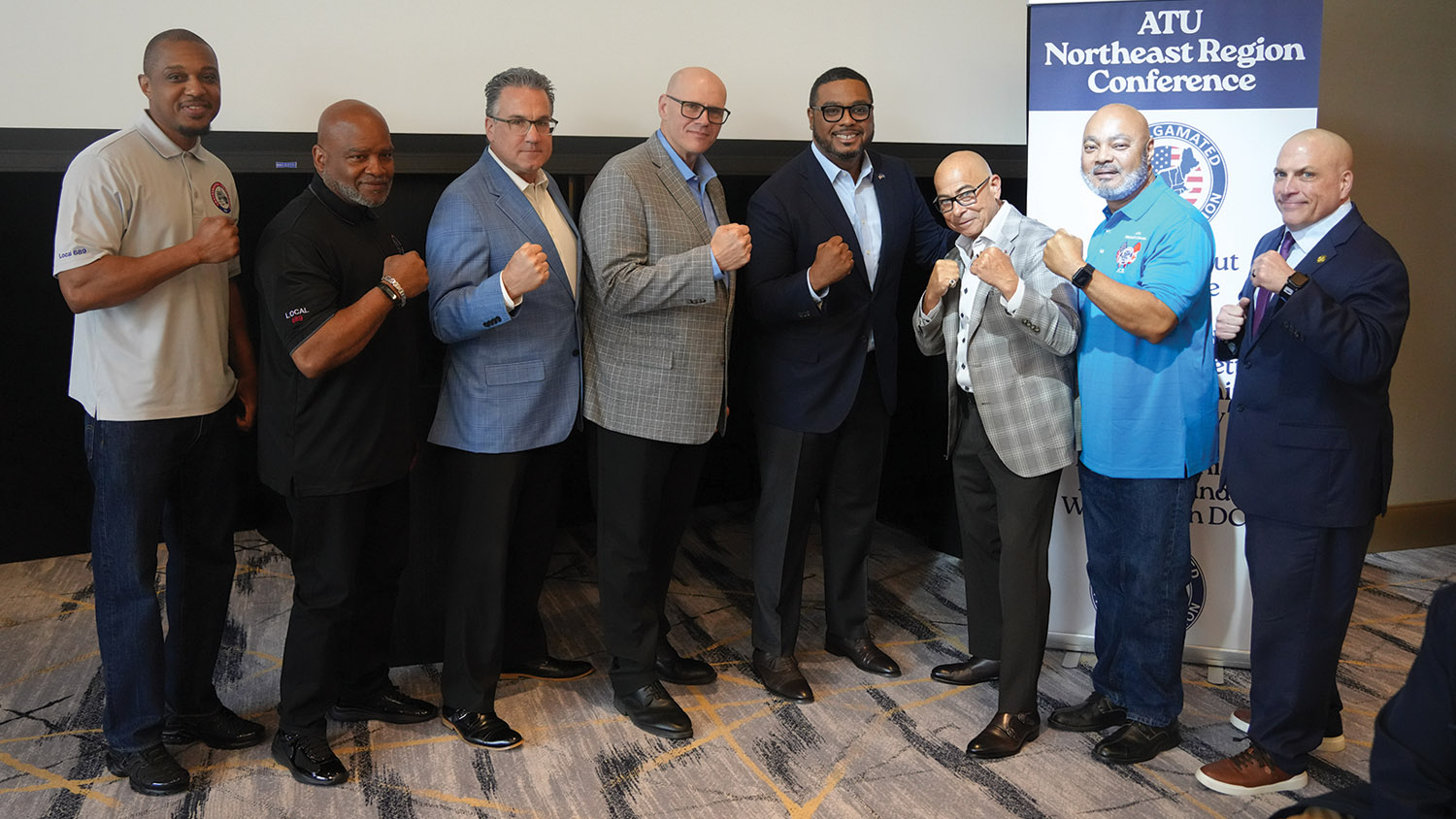
That means something. When elected officials walk into a room full of transit workers not because they have to but because they want to be there, our members feel it. The years of relationship-building, the accountability work, the showing up when it wasn’t convenient, all of it counts.
I took that same message to the Democratic National Committee (DNC) Spring Meeting in New Orleans, where I attended as a Super Delegate from my home state of New Jersey and made sure labor had a voice in every conversation I could get into. I said it to DNC Chair Ken Martin. I said it in the Labor Caucus. Working people are not a constituency to court when the calendar says so. We’re the backbone of America. The decisions being made right now about transit funding, about technology, about who has a seat at the table when the future gets built will shape this industry for generations. Our allies need to understand that when they’re governing, not just when they’re campaigning.
This Union Sees You
None of this fight means anything if we don’t take care of our own people. And we do.
During Women’s History Month, we honored fierce ATU women from Locals across the United States and Canada who lead this movement not for recognition but because they believe in it. They negotiate contracts, organize new members, and hold the line when it would be easier not to. This Union runs on their hard work and sacrifice.
During Asian Pacific Islander Heritage Month, we recognized the members whose communities helped build the culture and history of this continent and who continue to show up, in the yard, on the bus, at the bargaining table, for transit and for each other.
In Toledo, the ATU International Pride Caucus held its second-ever conference, and I was proud to be in that room. From the early organizing conversations in Las Vegas to a historic first meeting in New Orleans to a banquet stage in Toledo with awards, recognition, and a room full of members who had each other’s backs, the Pride Caucus is real and it’s growing. At a moment when the LGBTQIA+ community is under direct political attack, walking into that room and standing together is not a small thing. The ATU sees you.
Never Forget Where We Came From
At our new home at 21 Dupont Circle in Washington, D.C., we’re building a permanent exhibit that will preserve more than a century of ATU history. Contracts won at the bargaining table. Strikes held in the cold and rain. Every member who gave something of themselves so the next generation could have something better. Those stories belong on that wall, and the people who lived them deserve to see themselves there.
We went to Pullman in Chicago for a reason. It’s the same reason we’re building this exhibit. When you know what ATU members before us endured and what they won anyway, our challenges look a lot less intimidating.
The forces trying to automate workers out of existence are banking on short memories. They’ve got the wrong Union. As long as the ATU keeps showing up, organizing, and fighting for the people who make transit run, there’s nothing they can throw at us that we haven’t already survived.
That’s what Pullman taught us. That’s what we carry forward.